
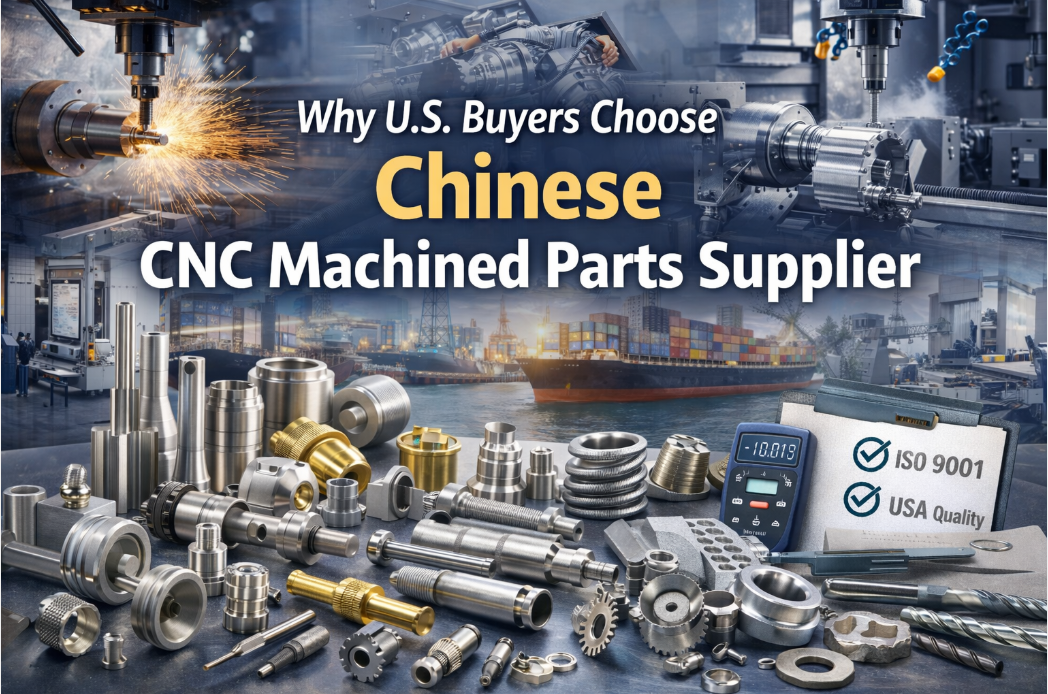
In today’s fast-paced manufacturing industry, U.S. companies are constantly searching for reliable machinery parts suppliers that can deliver precision, consistency, and cost efficiency. Whether you are in automotive, construction, agriculture, or general manufacturing, sourcing high-quality industrial parts is critical to keeping your operations running smoothly.
Based on the product structure and capabilities commonly seen in companies like SW Machinery Parts, this guide explores how a strong product matrix and global supply capabilities help meet the diverse needs of American buyers.
1. Why U.S. Buyers Are Turning to Global Machinery Parts Suppliers
First of all, cost competitiveness and scalability are key reasons. Many U.S. businesses are now sourcing from overseas manufacturers to reduce production costs while maintaining high quality standards.
CNC machining and industrial parts manufacturing today require advanced technologies such as multi-axis machining, automation systems, and precision tooling. Modern suppliers provide complete solutions—from raw material processing to finished components—ensuring efficient production workflows.
And honestly, if you’re trying to stay competitive in manufacturing, global sourcing just makes sense.
2. Product Matrix: A Complete Range of Machinery Parts
A strong machinery parts supplier typically offers a diversified product matrix to meet different industrial applications. This includes:
CNC Machined Parts
- Precision shafts and bushings
- Custom fasteners and connectors
- High-tolerance components (±0.0001 precision)
- Aluminum, stainless steel, brass, and plastic parts
Industrial Equipment Components
- Machine frames and structural parts
- Bearings, brackets, and mechanical linkages
- Custom enclosures and housings
Automation & Production Line Parts
- Conveyor components (rollers, guide rails)
- Robotic system parts
- Assembly line modules
Tooling & Accessories
- Carbide cutting tools
- End mills and drilling tools
- Tool holders and chucks
- Measuring instruments and gauges
This kind of product diversity allows buyers to consolidate suppliers, reduce procurement complexity, and streamline logistics.
3. Custom Manufacturing Capabilities Matter
Now, let’s talk about customization—because this is where suppliers really stand out.
Modern industrial buyers often require:
- Prototype development
- Small-batch production
- Large-scale manufacturing
- Complex geometries and tight tolerances
Advanced suppliers use CNC machining, laser cutting, welding, and metal forming technologies to deliver custom solutions tailored to specific applications.
In addition, some manufacturers support both low-volume and high-volume production, ranging from single prototype units to millions of parts annually.
This flexibility is super important, especially for companies scaling production or launching new products.
4. Quality Standards and Certifications
When importing machinery parts into the U.S., quality assurance is not optional—it’s essential.
Key quality factors include:
- ISO 9001 certified production systems
- Strict tolerance control
- Material traceability
- Consistent inspection and testing
High-precision CNC machining centers can achieve extremely accurate results, often within micrometer-level tolerances, ensuring consistent product quality across batches.
Without these standards, it are difficult to maintain reliability in industrial applications.
5. Applications Across Multiple Industries
One of the biggest advantages of a diversified product matrix is the ability to serve multiple industries, including:
- Automotive manufacturing (engine parts, transmission components)
- Construction machinery
- Agricultural equipment
- Medical devices
- Robotics and automation systems
CNC machining and industrial parts are widely used to produce everything from gearbox housings to medical implants, highlighting their versatility.
6. Benefits of Choosing a China Machinery Parts Supplier
Transitioning to an overseas supplier—especially from China—offers several advantages:
Cost Efficiency
Lower labor and production costs help reduce overall expenses.
Advanced Manufacturing
Many Chinese manufacturers invest heavily in automation and CNC technologies.
Scalable Production
From prototypes to mass production, suppliers can scale quickly.
Integrated Solutions
Some suppliers provide end-to-end services, including design, production, assembly, and logistics.
Also, working with a single supplier for multiple product categories is kinda convenient, saving both time and effort.
7. How to Choose the Right Supplier
To be honest, not every supplier are equal, so careful evaluation is necessary.
Here’s what U.S. buyers should look for:
- Proven export experience
- Strong engineering support
- Wide product matrix
- Reliable delivery timelines
- Responsive communication
Additionally, checking certifications, production capacity, and customer reviews can help reduce sourcing risks.
Conclusion
In conclusion, sourcing machinery parts from a professional supplier with a comprehensive product matrix is a smart strategy for U.S. businesses. From CNC machined parts to automation components and tooling systems, a reliable supplier can significantly improve efficiency, reduce costs, and ensure consistent product quality.
As global manufacturing continues to evolve, companies that leverage strong supplier partnerships—especially with experienced China manufacturers—will gain a competitive edge in the market.
And yeah, once you find the right supplier, it really changes the game for your business.